

-
 NOAA FisheriesTwo studies published this summer describe the new species, which were found in the Gulf of Alaska and Aleutian Islands.
 -
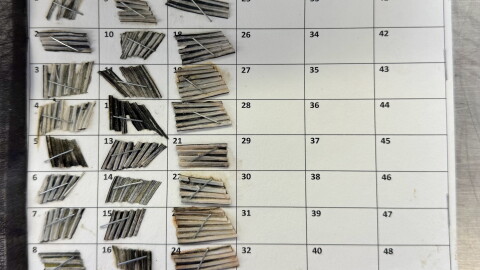 Katie Reuther/KUCBThe lab, started two years ago, is the only one of its kind in Alaska.


-
 The Environmental Protection Agency said UniSea failed to properly update plans for preventing stormwater pollution and let prohibited discharges enter its stormwater system.
 -
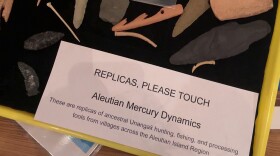 A team of researchers were awarded a $2.6 million grant from the National Science Foundation to research mercury in the Aleutians. They wanted to know: Has mercury always been part of the Aleutian ecosystem, or did it arrive recently with the Industrial Revolution?
 -
 When it comes to monitoring the health of the ocean, scientists rely on dead seabirds, specifically how many wash up on beaches. On May 31, several Unalaskans gathered at the PCR to learn how to count them.
 -
 For this episode of Island Interviews, KUCB’s Sofia Stuart-Rasi sat down with Allie Brown, the participant coordinator for COASST, to learn what the training involves and how the data is used to document history.
 -
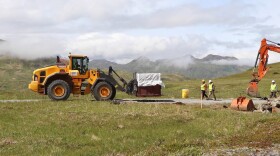 The U.S. Army Corps of Engineers said its cleanup work plan for former military sites is shrinking by about 40%, but officials say cleanup sites around Unalaska are still moving forward.
 -
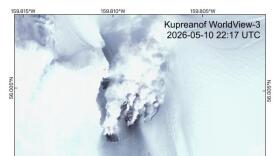 The Alaska Volcano Observatory raised Kupreanof Volcano's alert level to Advisory and its aviation color code to Yellow on Tuesday. That means the volcano is showing signs of unrest, but it doesn’t necessarily mean an eruption will happen.
 -
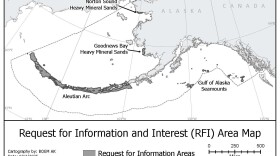 The Bureau of Ocean Energy Management closed its public comment period on April 1. It’s a first-of-its-kind lease sale, covering more than 113 million acres of federal offshore waters.
 -
 The Qawalangin Tribe of Unalaska started their recycling program in 2024, collecting glass, No. 1 plastic, aluminum and cardboard.
 -
 Friday was the Spring Equinox, but the start of the season was nowhere in sight in Unalaska.
 -
 The deal between the National Oceanic and Atmospheric Administration and the University of Alaska Fairbanks took effect on March 1.


